
Why Ford 2.0 EcoBlue Engines Fail
And How Most Failures Can Be Prevented
The Ford 2.0 EcoBlue diesel engine, fitted to Ranger, Everest, and Transit models (including bi-turbo variants), is a strong, efficient engine — when everything goes right.
The problem is that the EcoBlue engine has a small number of critical design sensitivities. When they’re ignored, engines fail. When they’re understood and managed properly, they don’t.
Below is the real-world explanation.
1. The EcoBlue Wet Belt System (The Core Issue)
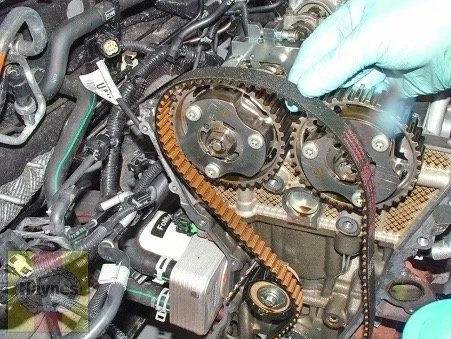
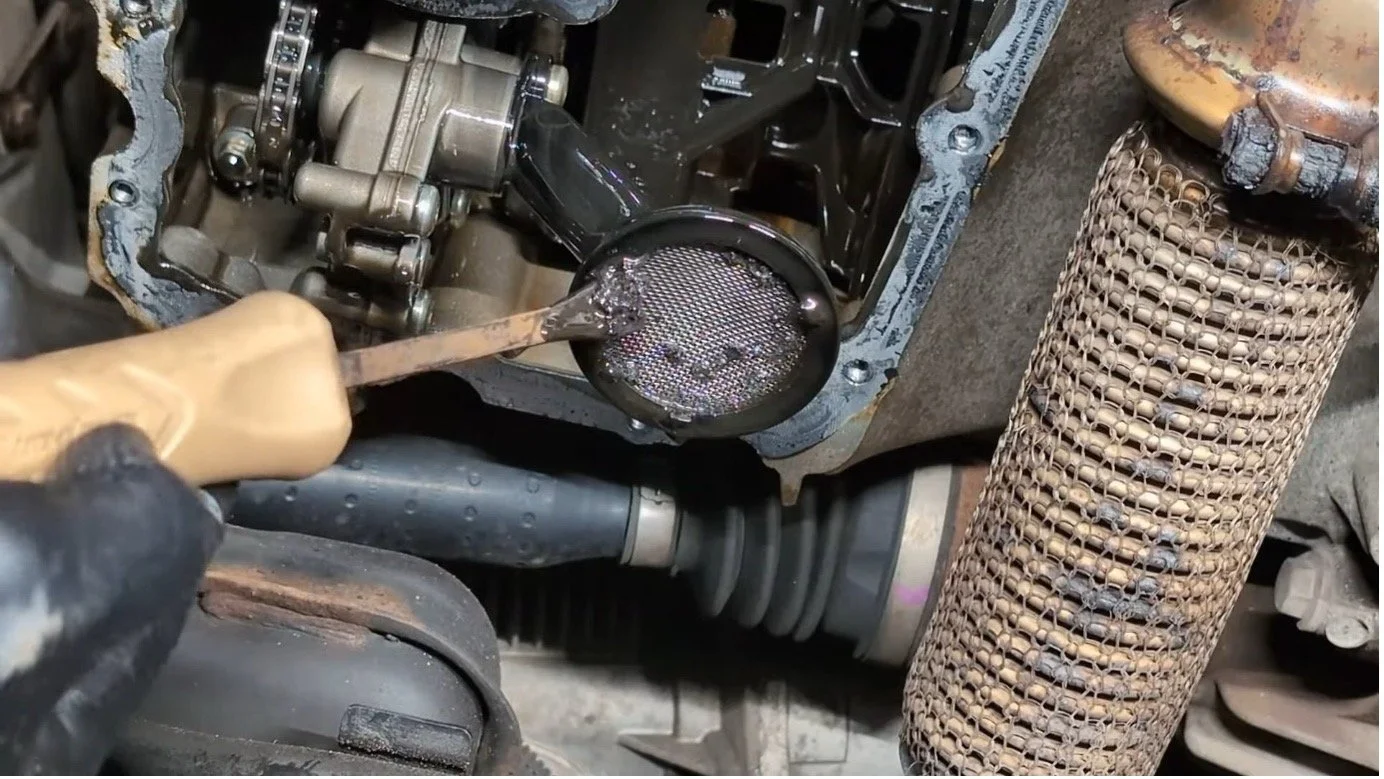
The single biggest reason EcoBlue engines fail is the wet belt system.
Unlike a traditional timing chain or dry cambelt, the EcoBlue uses a belt that runs inside the engine oil. Over time, that belt can degrade, especially if servicing isn’t absolutely spot-on.
As the belt deteriorates:
Rubber material sheds into the oil
Debris circulates through the lubrication system
Oil flow becomes restricted
This sets off a chain reaction.
2. Oil Pickup Blockage & Oil Starvation
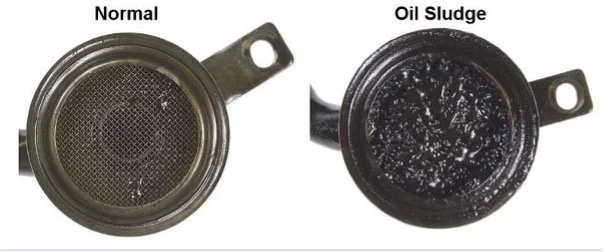
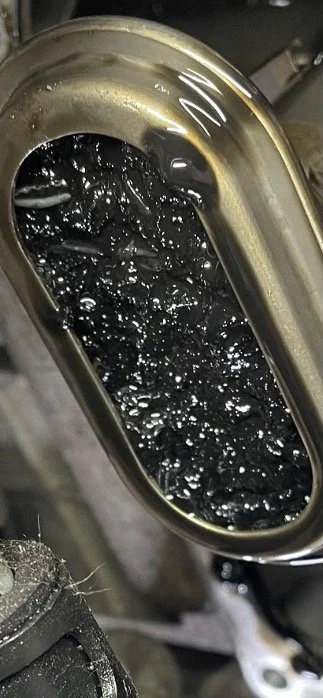
When wet belt material breaks down, it often ends up in the oil pickup strainer.
Once the pickup is partially blocked:
Oil pressure drops
Critical engine components are starved of lubrication
Bearings, turbochargers, and internal components begin to wear rapidly
Many EcoBlue engines fail not because the belt snaps, but because the engine slowly destroys itself due to oil starvation.
This damage often starts silently.
3. Incorrect Oil & Missed Service Intervals
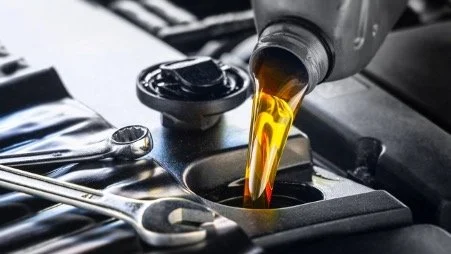
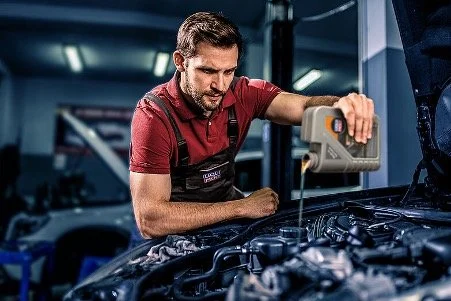
EcoBlue engines are extremely sensitive to oil quality and specification.
Common causes of failure include:
Incorrect oil specification
Extended service intervals
Cheap or unsuitable oils
Poor service history
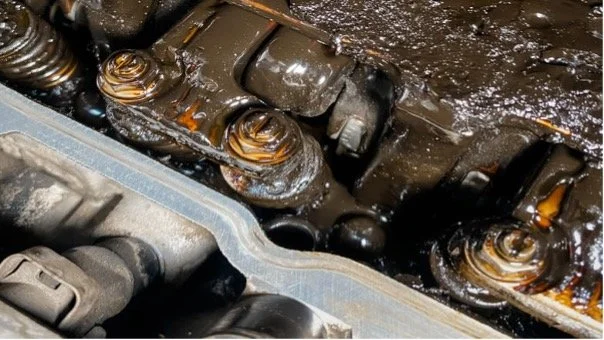
Incorrect oil accelerates wet belt degradation and increases sludge buildup.
Once oil pressure issues begin, damage escalates fast.
4. Turbocharger Damage (Especially Bi-Turbo Engines)
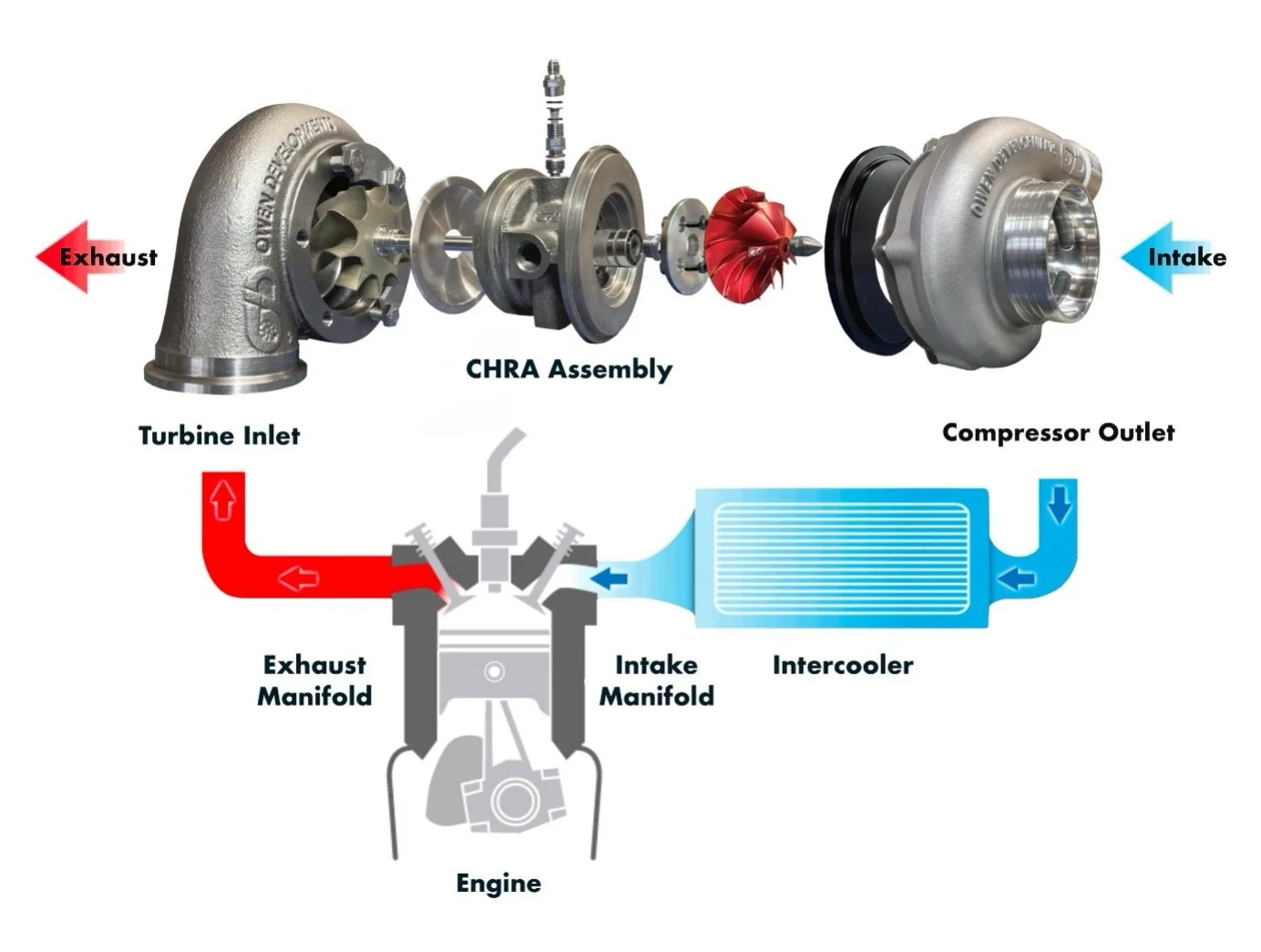
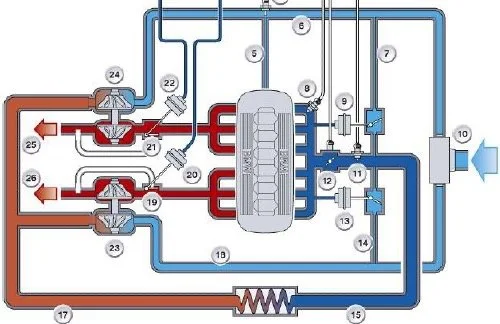
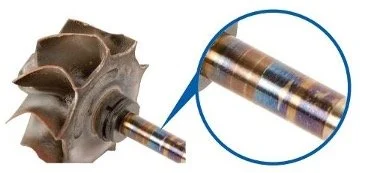
The EcoBlue engine — particularly the bi-turbo Ranger — relies heavily on clean, high-pressure oil.
When oil supply is compromised:
Turbo bearings overheat
Turbo shafts wear
Turbo failure follows
Turbo replacement is often the first visible failure, but it’s usually a symptom, not the root cause.
5. Why Many EcoBlue Failures Are Misdiagnosed
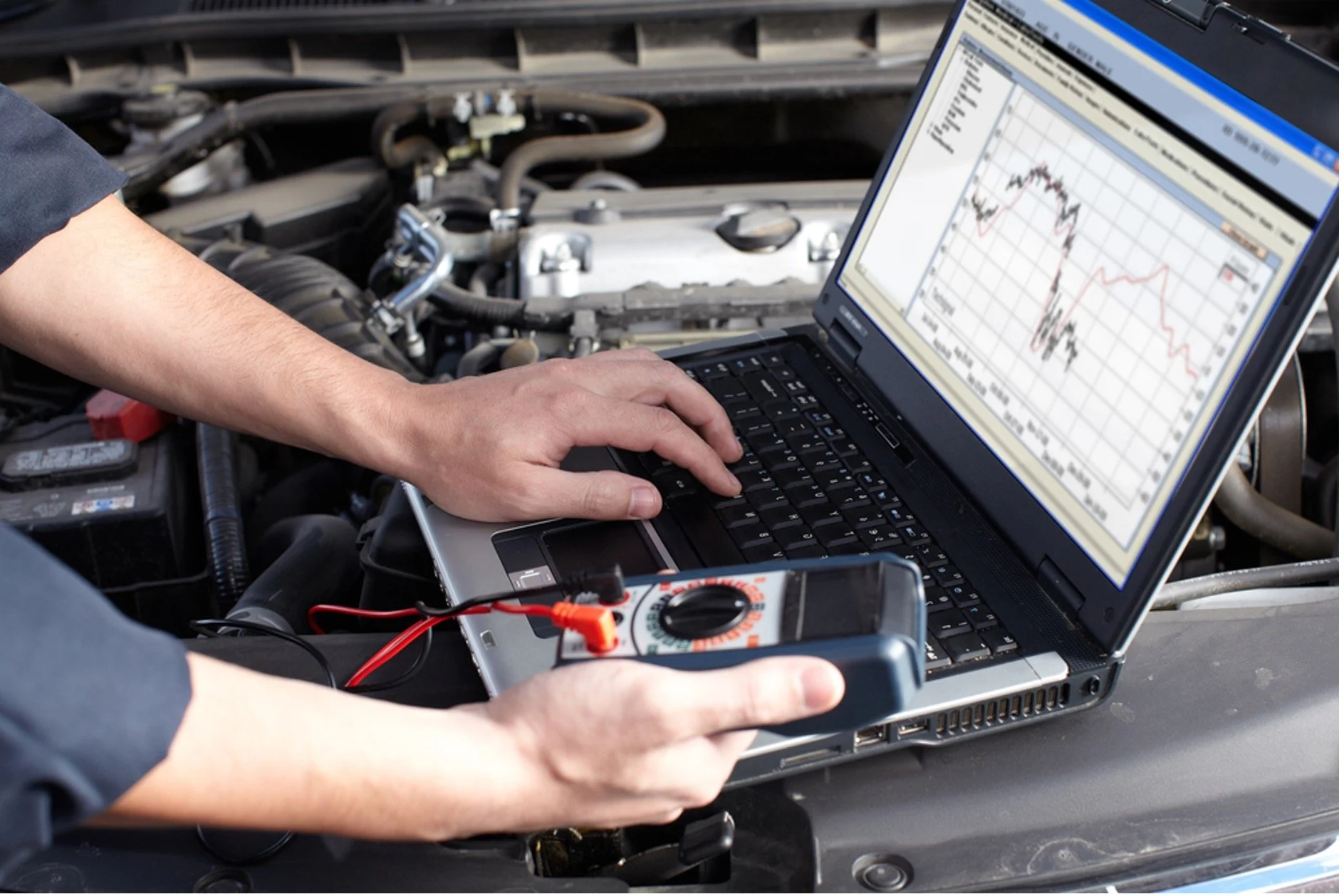
A major issue is misdiagnosis.
Many workshops:
Replace turbos without checking oil pickup
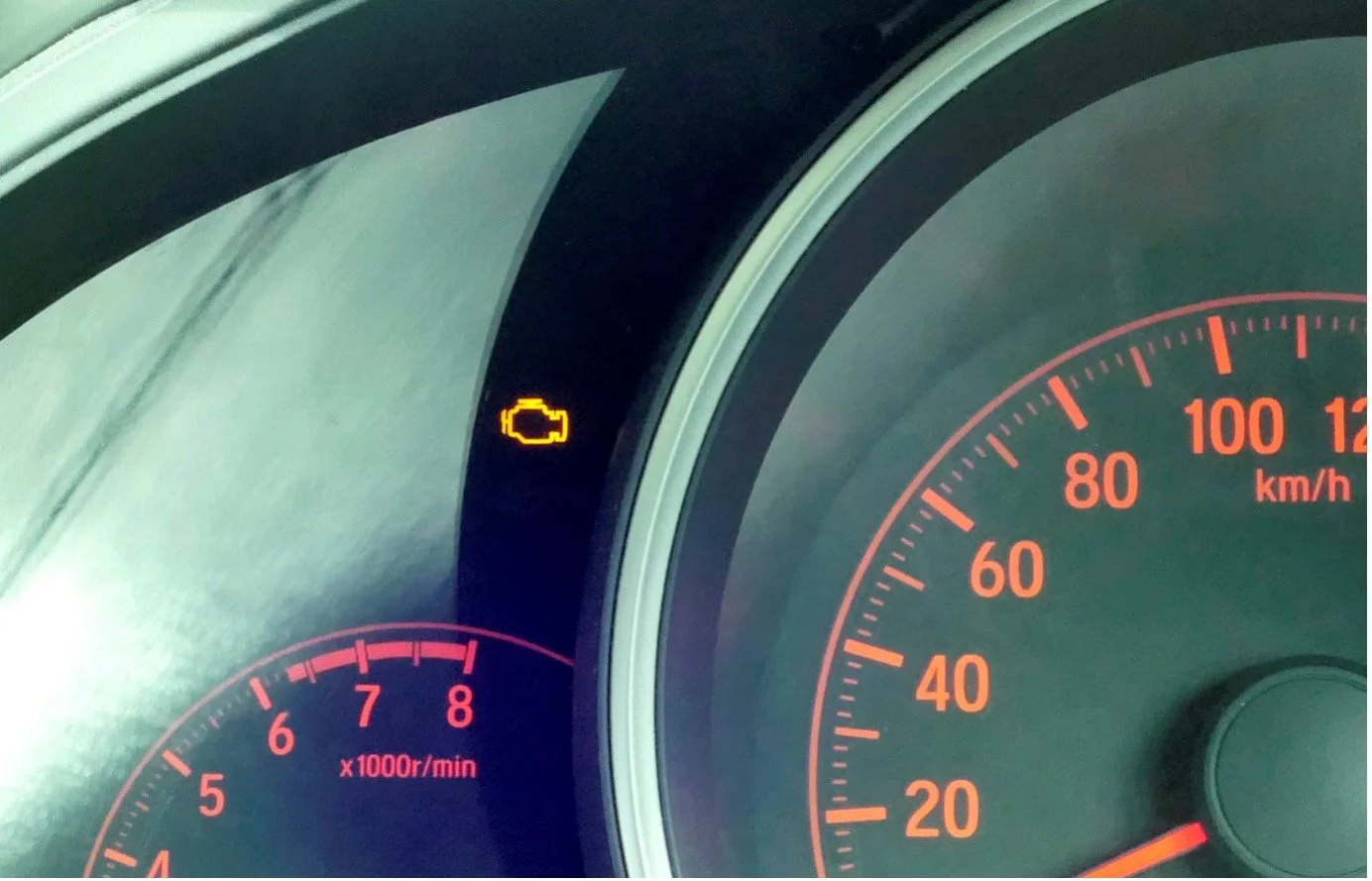
Clear fault codes without investigating oil pressure
Treat symptoms instead of causes
The result?
Repeat failures, massive repair bills, and engines that never recover.
6. Why Some EcoBlue Engines Never Fail
Here’s the important part.
EcoBlue engines that don’t fail usually have:
Correct oil used from day one
Regular servicing at proper intervals
Early inspection of wet belt condition
Oil system checks before secondary damage occurs
This is why preventative wet belt inspection and replacement is so important.
7. How EcoBlue Engine Failures Are Prevented
Preventing EcoBlue failure comes down to:
Understanding the wet belt system
Knowing early warning signs
Inspecting before oil starvation occurs
Replacing the wet belt before catastrophic damage
This is specialist work — and not all workshops are equipped or trained to do it correctly.
The Bottom Line
EcoBlue engines don’t fail because they’re “bad engines”.
They fail because:
The wet belt system is misunderstood
Servicing is done incorrectly
Warning signs are missed or ignored
With the right knowledge, servicing, and preventative repairs, EcoBlue engines can be reliable long-term.
Concerned About Your Ranger, Everest, or Transit?
If your vehicle has:
A 2.0 EcoBlue engine
Unknown service history
High kilometres
Oil pressure warnings
Engine noise or warning lights
Early inspection can save the engine.
Contact Pinnacle Automotive to book a proper EcoBlue inspection or wet belt assessment.